How a Pool Party in Vegas Turned Into Slap Snacks
One of the things I love most about startups is how rarely they begin the way you think they will.
SlapSnacks started in one of the least likely places imaginable: a pool party in Las Vegas.
I was there for my friend and business partner Sam Rockwell’s bachelor party, along with Justin Samuels and my brother Jeremy. We had all gone to school together at the University of Wisconsin–Madison. Sam had gotten to know Dana White over the past few years through his work building brands like Dr. Bombay and his relationships with retailers like Walmart. Sam texted Dana asking if we could swing by UFC headquarters for a quick visit.
Dana immediately replied…
“Come on over!”
We expected to be there for thirty minutes…or thirty five minutes if you include the video game detour..
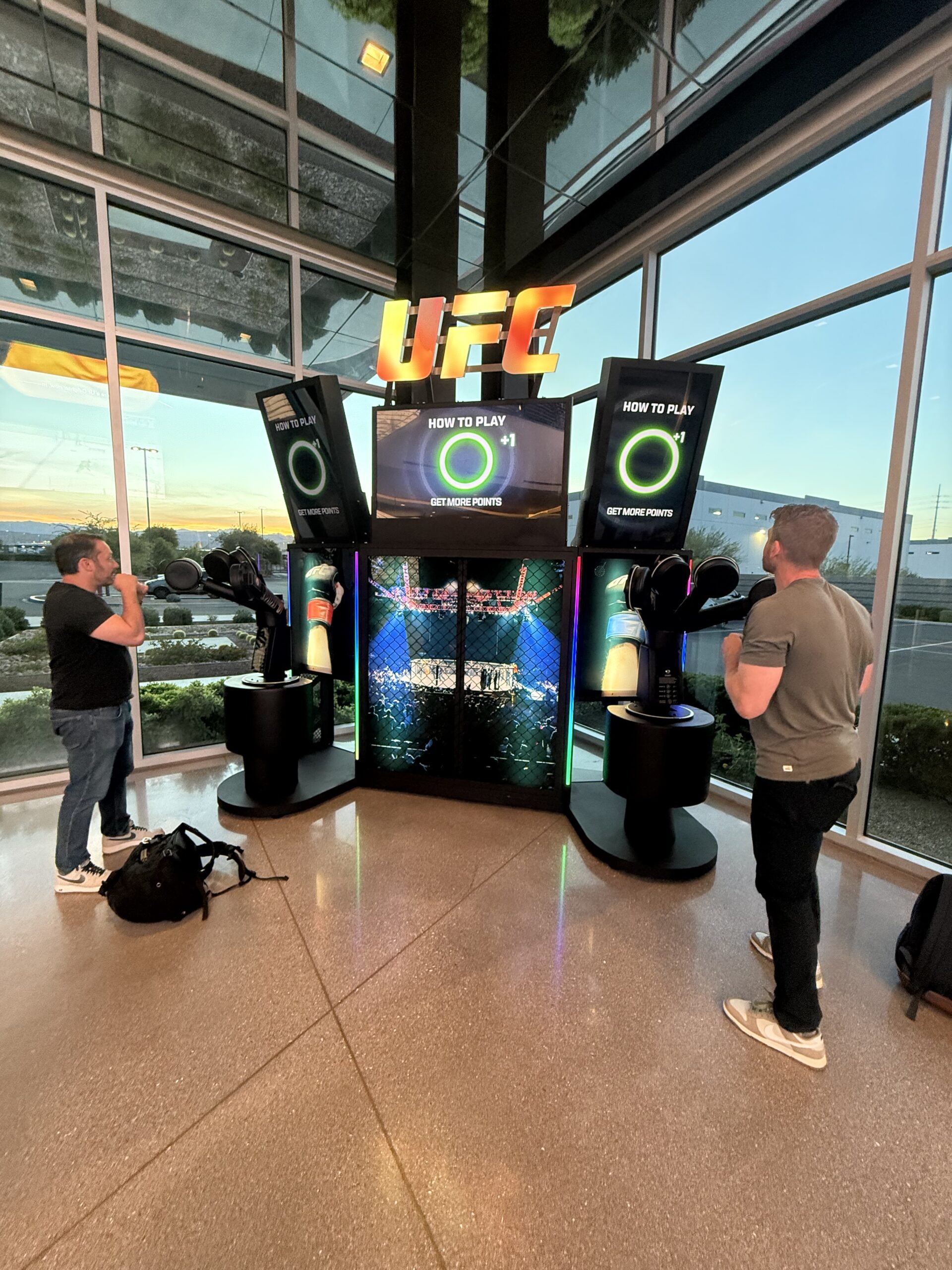
(above – the video game detour)
Instead, we spent the next five hours together.
Dana gave us a full tour of UFC headquarters, showed us his office and some of the personal artifacts he keeps there, like a sabertooth skull, an original samurai uniform, custom guns from Kid Rock, and more, and talked about everything imaginable: business, leadership, family, sports, politics, entrepreneurship, and life. It was one of those rare conversations where nobody was checking the time or their phones because everyone was genuinely locked in.
One thing became obvious pretty quickly.
The Dana people see on television is exactly the Dana you get in person.
He’s authentic. Direct. Competitive. He says what he thinks and does what he says.
As an entrepreneur, that’s something I’ve always admired, and actively look for in partners. Sam and his team are the same way.
The UFC wasn’t built because it was the obvious opportunity. It was built because Dana had conviction. He saw something the rest of the world didn’t, committed to it completely, and spent decades turning it into one of the most valuable sports properties on the planet.
He doesn’t put his name behind many businesses, let alone build them from the ground up as a co-founder.
He only leans in when he truly believes.
As we were wrapping up, Dana asked a simple question:
“So, what are you guys working on?”
We each shared what we were building, and naturally the conversation shifted into…
“Maybe we should build something together?”
That’s when food entered the conversation.
Like a lot of people, we all grew up eating Hot Pockets. We loved them.
But somewhere along the way, we stopped eating them.
Not because we stopped wanting convenient food, but because we wanted better food.
That led to a simple set of questions:
Why can’t convenient food also have clean ingredients?
Why can’t it be high in protein?
Why can’t it actually taste incredible?
Why should consumers have to compromise?
That conversation stuck with all of us.
Ironically, I had spent the previous few years telling Sam to stay away from frozen.
I had invested in Happi Co., seen countless food companies come and go, and experienced firsthand how difficult frozen can be. Manufacturing is complex. Distribution is harder. Margins are tighter. Supply chains are unforgiving. Many institutional investors avoid the category altogether, and I understand why after seeing many of those pitch decks.
But the more I heard why people disliked frozen, the more interested I became. My contrarian investor instincts started to kick in.
I’ve always believed some of the best businesses are built by running toward problems when others are running away.
So I started digging into the market.
The numbers were fascinating.
The U.S. frozen food category is now a roughly $90 billion market, driven by consumers who increasingly value convenience without sacrificing quality. Frozen is no longer just about low-cost meals, it’s becoming a destination for premium products, cleaner ingredients, and protein-forward eating.
Then another trend stood out.
Consumers are eating significantly more protein than they were just a few years ago. They’re reading ingredient labels more carefully than ever. They want recognizable ingredients, fewer compromises, and food that fits into busy, modern lives. And with the rise of GLP-1 medications and a broader focus on weight loss and health, protein-forward eating has become even more central to how people think about food.
Then we spoke with retailers.
Over and over, we heard the same message:
“We need innovation.”
The frozen aisle had become dominated by legacy brands that had changed very little over the years.
Retailers wanted new brands.
They wanted more competition.
Most importantly, they wanted products consumers were actually excited to discover.
That became our “aha” moment.
We realized we weren’t excited about building a frozen food company.
We were excited about building a great food company.
One built around clean ingredients.
One built around high protein.
One built around food people actually crave, not just tolerate because it’s “better for you.”
And, one with snackable, fun, approachable form factors.
Frozen simply happened to be the best place to start, driven by a product vision we couldn’t shake and the collective experience around the table, from building food brands to scaling consumer companies.
It’s a massive category that has been waiting for real innovation, and we believe it’s the perfect foundation to build something much bigger over time. And with Dana and his partners, we also have a unique opportunity to bring the brand to life in a way most food companies never can, connecting directly with fans at events like PowerSlap and the UFC, and turning customers into part of the experience from day one.
So we decided to go all in, make some moves, and get to work.
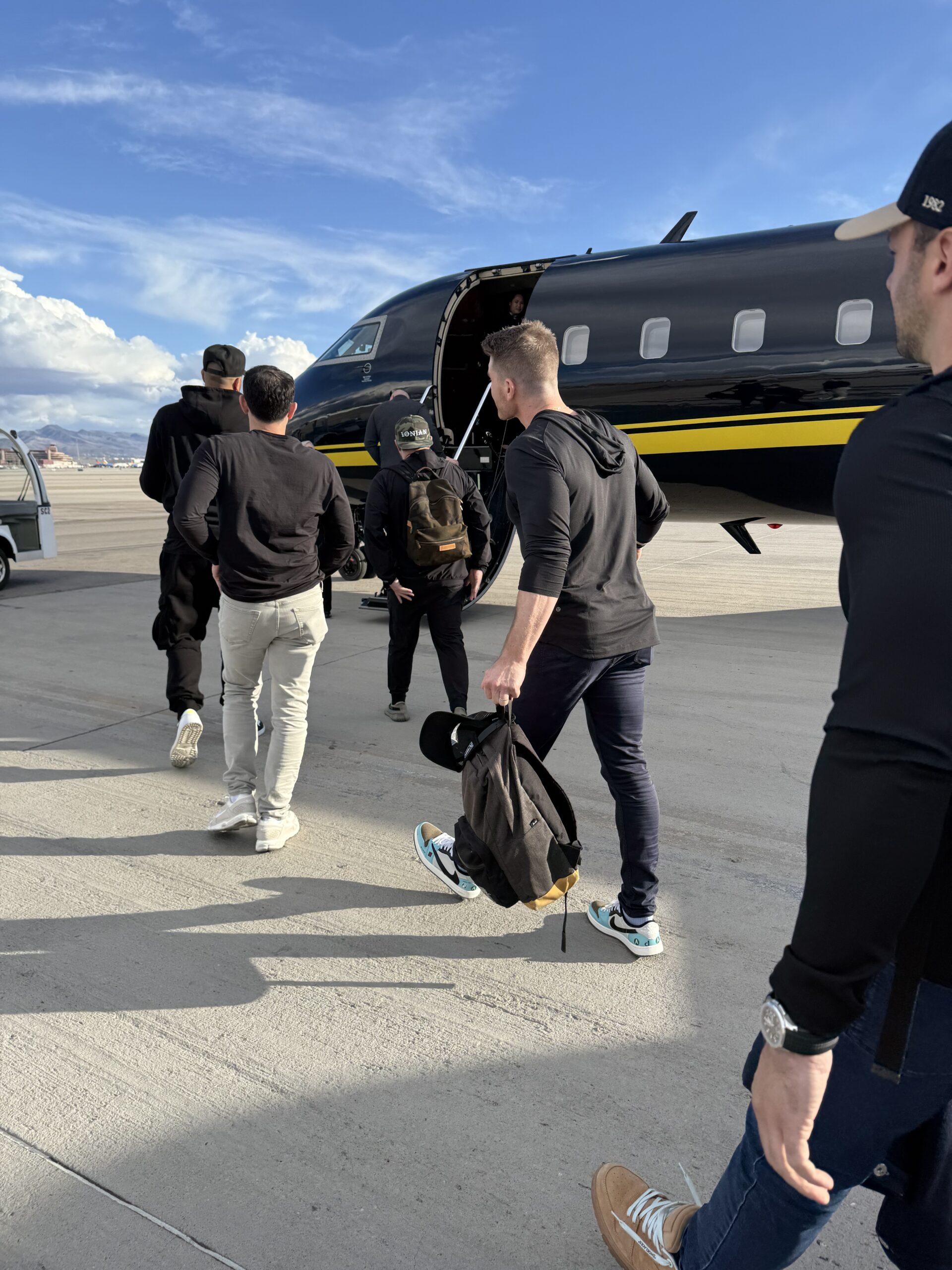
(above – making the moves)
Together with Dana, Sam, Justin, Jeremy, and an incredible team, we set out to build a modern food company making products we’d proudly feed our own families and friends. Convenient without compromise. High in protein. Made with real ingredients. And most importantly, food that actually tastes great.
That’s how SlapSnacks was born.
Fast forward to today, we’ve assembled an incredible group of investors who share that vision, including members of the UFC family, investors from my network like Red Sea Ventures, and the Happi Co. community.
Today, after a year or so of working in the kitchen, we’re excited to officially launch.
You’ll find SlapSnacks in the frozen aisle at Walmart.
That’s where our journey begins and we’re just getting started.
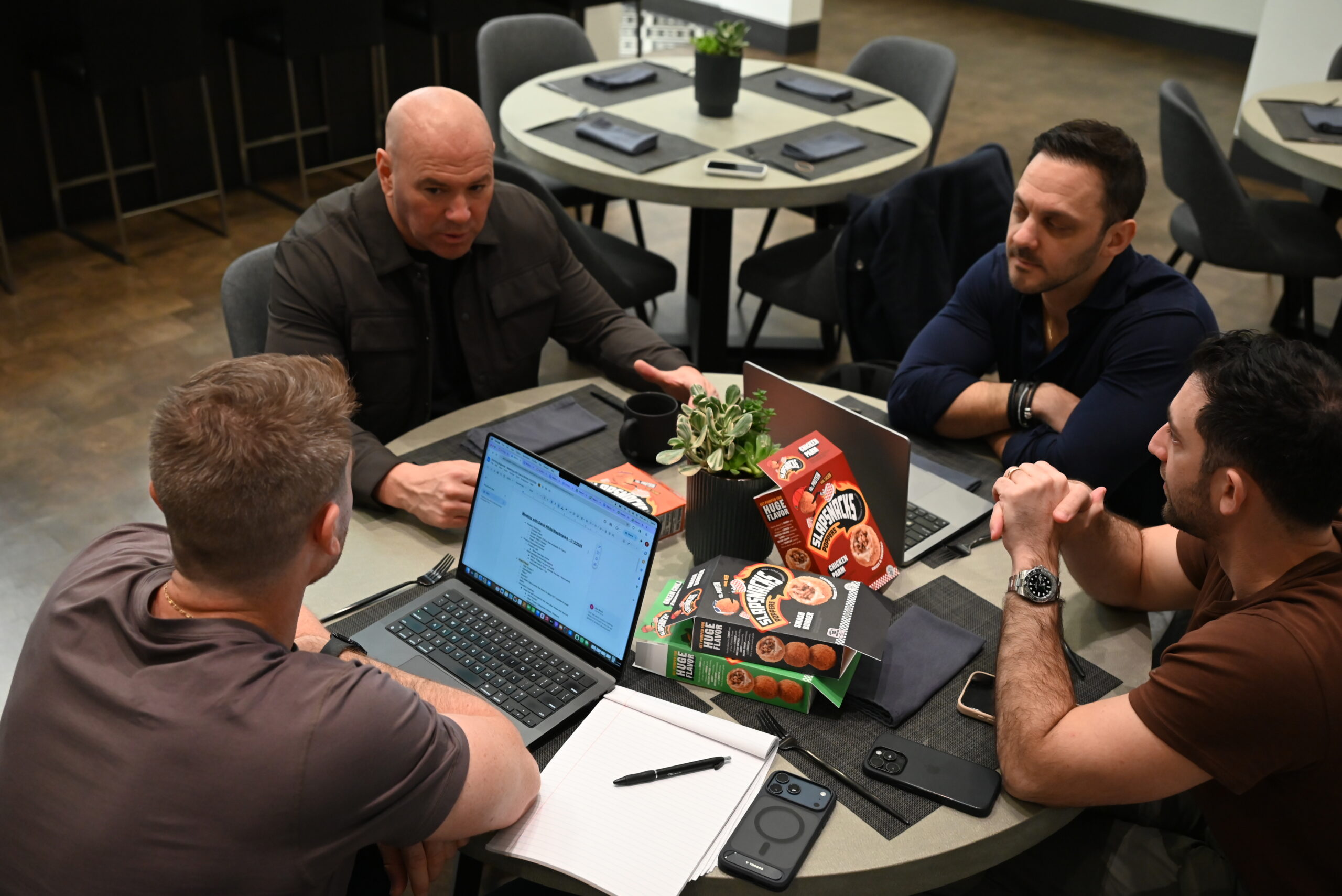
(above – working in the kitchen)
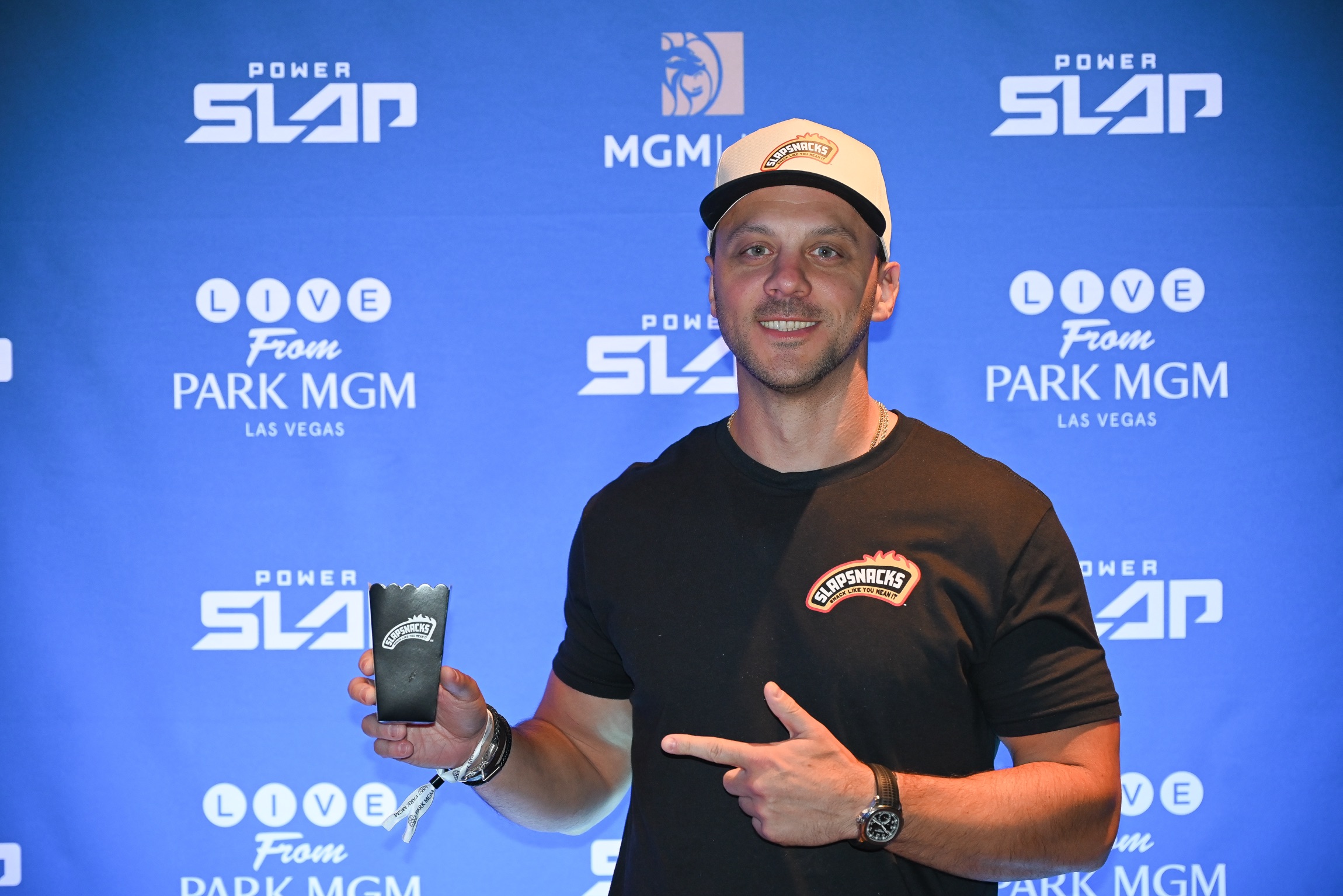
(above – SlapSnacks debut at PowerSlap)
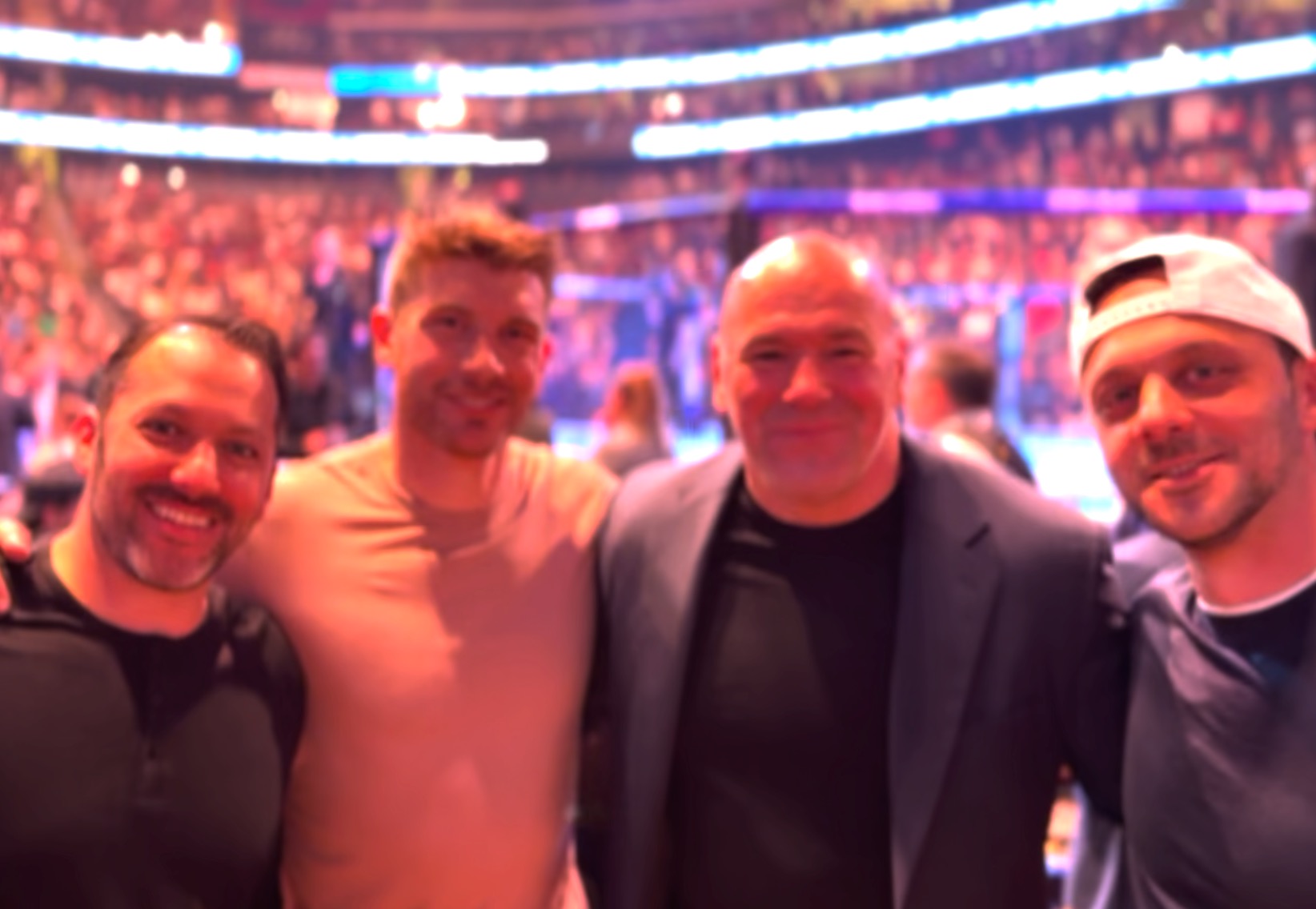
(above – board meeting at UFC 316)
Game on!
How a Pool Party in Vegas Turned Into Slap Snacks Read More »