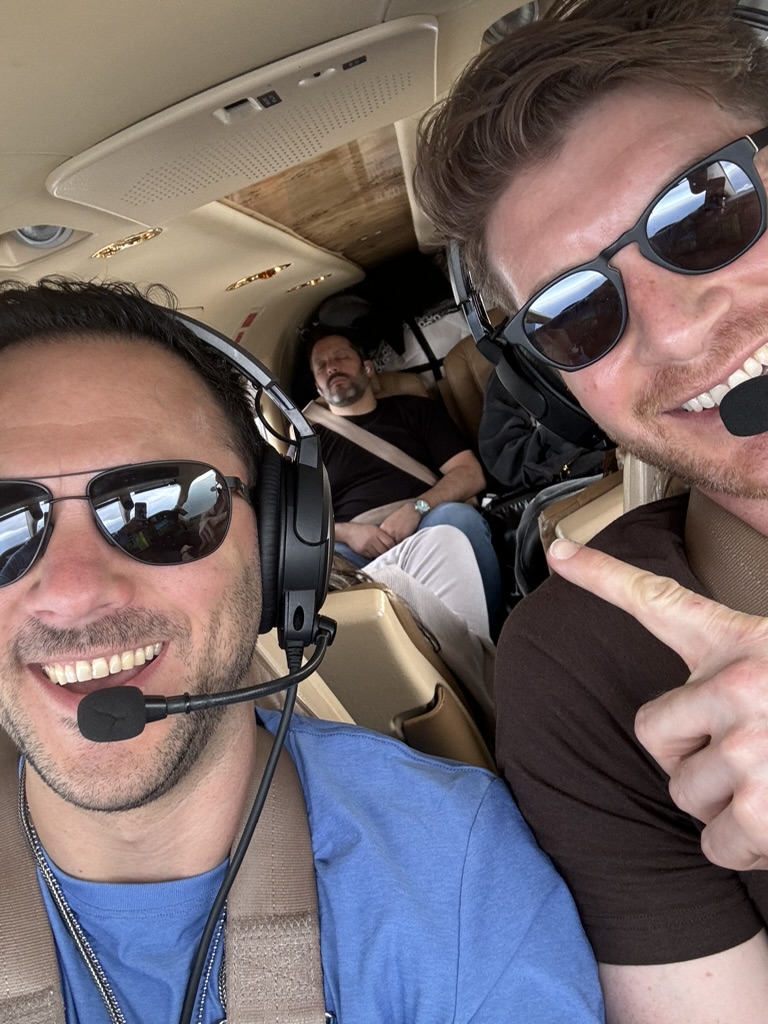
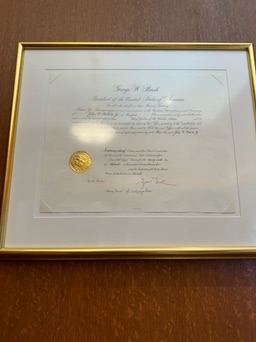
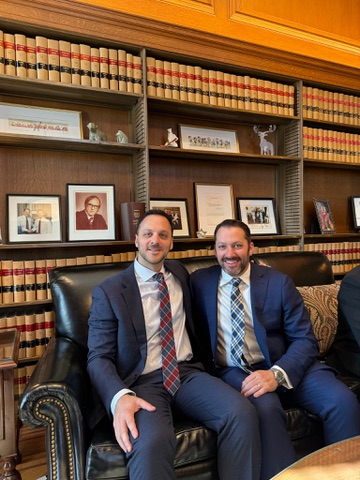
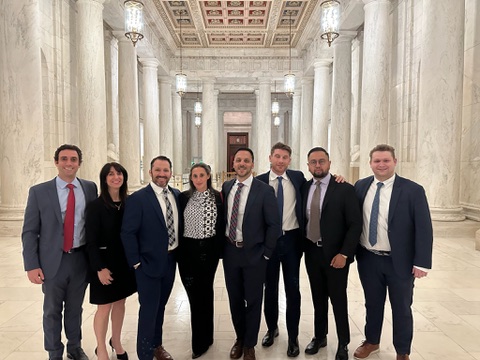
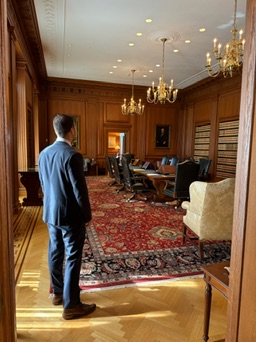
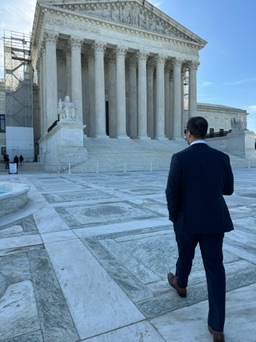
Yesterday, I had the privilege to visit the Supreme Court of The United States as a guest of Chief Justice John Roberts. He’s the 17th Chief Justice of the United States and will likely, and hopefully be, the Chief Justice for the majority of my lifetime.
We had an opportunity to spend time with him in his chambers before and after the oral arguments. The two items on the docket were:
The oral arguments were undoubtedly interesting, dense in legalese and constitutional law, and dramatic in that you are sitting in the highest court in the land listening to arguments that could change history.
But the thing that left the biggest impression on me is this: it was a reminder that most people who serve our country deeply care about their work and their country.
Of course, some of our elected officials are misguided, but that’s what makes America, America. We get to support candidates we like and vote them into office.
America is not perfect. And if you spend any time on social media listening to pro-Hamas crowds screaming “death to America” you’d realize how imperfect we are.
We still have a lot of work to do, but there are indeed still great people trying to do the best they can. And these people put the country first and still fight, day in and day out, for our republic.
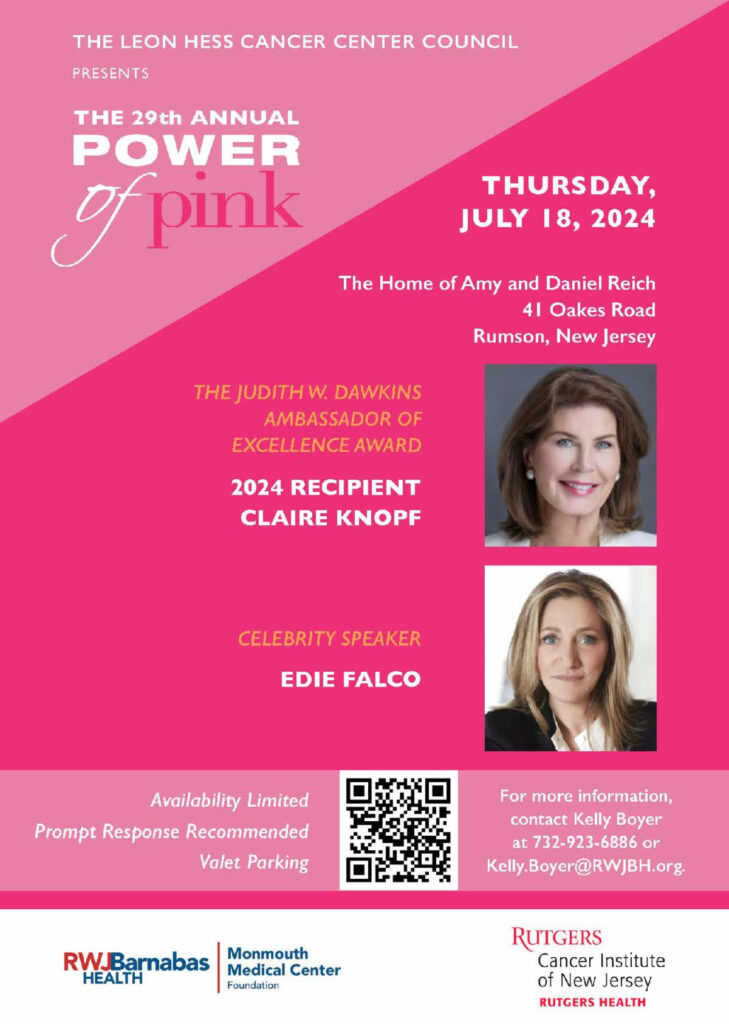
Last year we hosted an event to help raise money for the cancer services & programs at the future Vogel Medical Campus in Tinton Falls, NJ. It’s called Power of Pink. The event was a blast, and more importantly, we were able to help raise the most money ever for the cause from this event.
You can see some clips from last year in the video below.
We decided to host the event again this year. Event details here.
These are powerful and mission critical to fighting any info war. And clearly, we are in one.
I remember when Steven Spielberg document testimony from my grandparents and their stories from the Holocaust, and so thankful he did.
We need more of it..
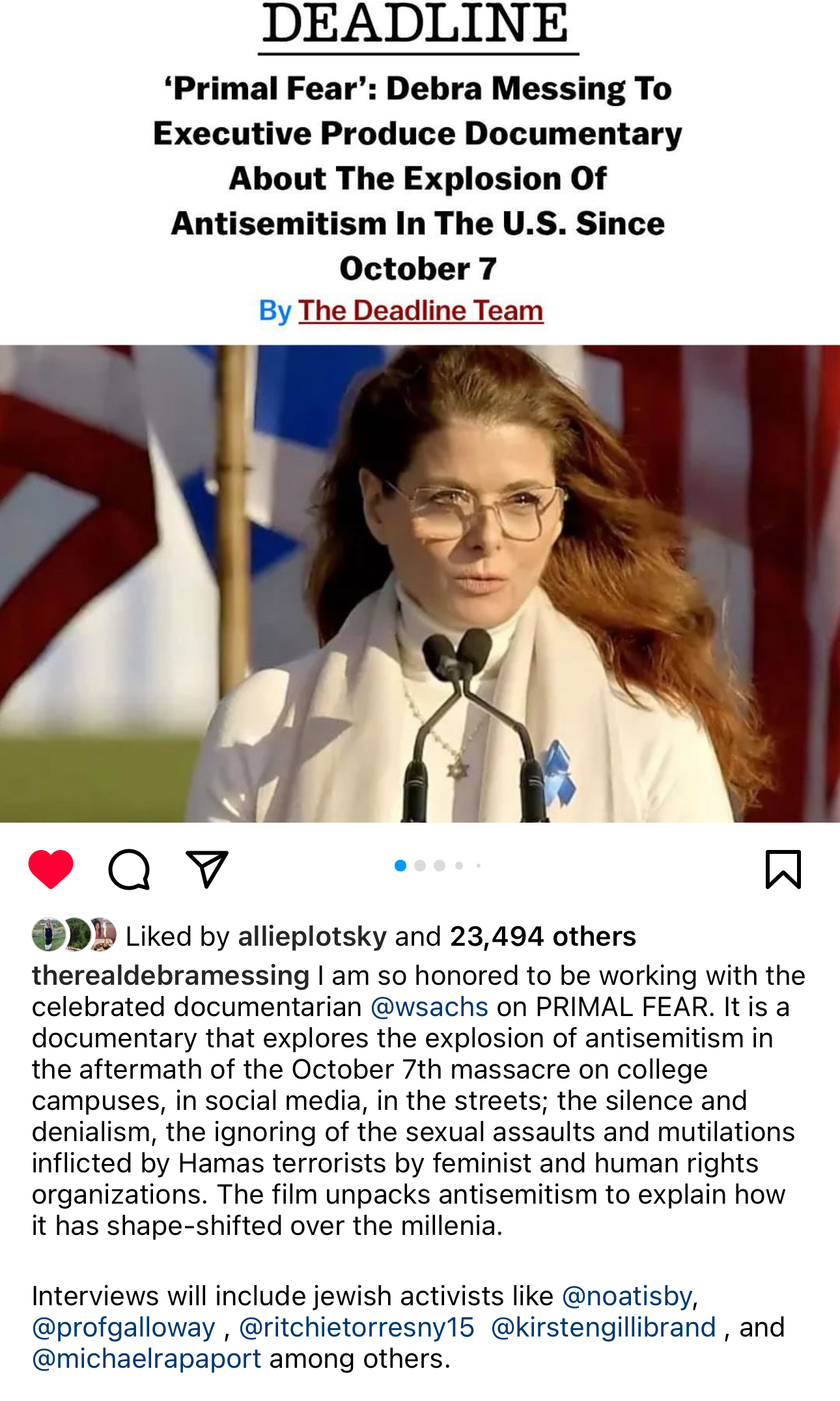
That’s what I’m excited to support Wendy Sachs and Debra Messing and the rest of their team in producing a piece that will detail and document this antisemitic disease that’s beginning to rot away our society.
In any society, antisemitism is the canary in the coal mine for a deep, uglier reality. It needs to be exposed because light is the best antidote for darkness.
Interviews will include some of the most active and vocal voices like Noa Tishby, Kirsten Gillibrand, Michael Rapaport, Dan Senor, Einat Wilf, Hillel Neuer, Sheryl Sandberg and more
There’s lots more to do but this is just another initiative of many that’s needed.
EXCLUSIVE: Actress, producer, and activist, Debra Messing, has signed on to executive produce the feature documentary, Primal Fear about the explosion of antisemitism on college campuses, on social media, and in the streets since October 7, 2023, when Hamas attacked Israel. Wendy Sachs, the co-director and producer of SURGE, is directing the film and will also serve as an executive producer.
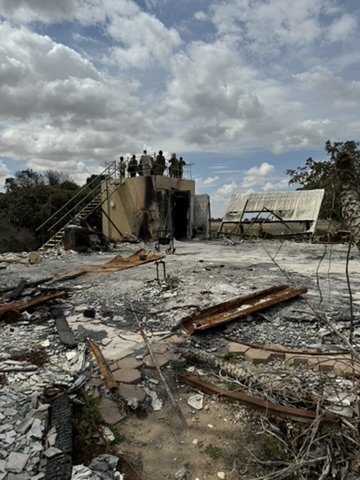
It’s kind of hard to imagine anyone smiling in a terrorized home where your friends and family were murdered or kidnapped.
And knowing some of those family members are still being held hostage in unimaginable circumstances.
Or hearing stories about being the very first tank into Gaza, knowing full well you’re unlikely to make it out alive, and that many of your friends did not.
The stories are endless.
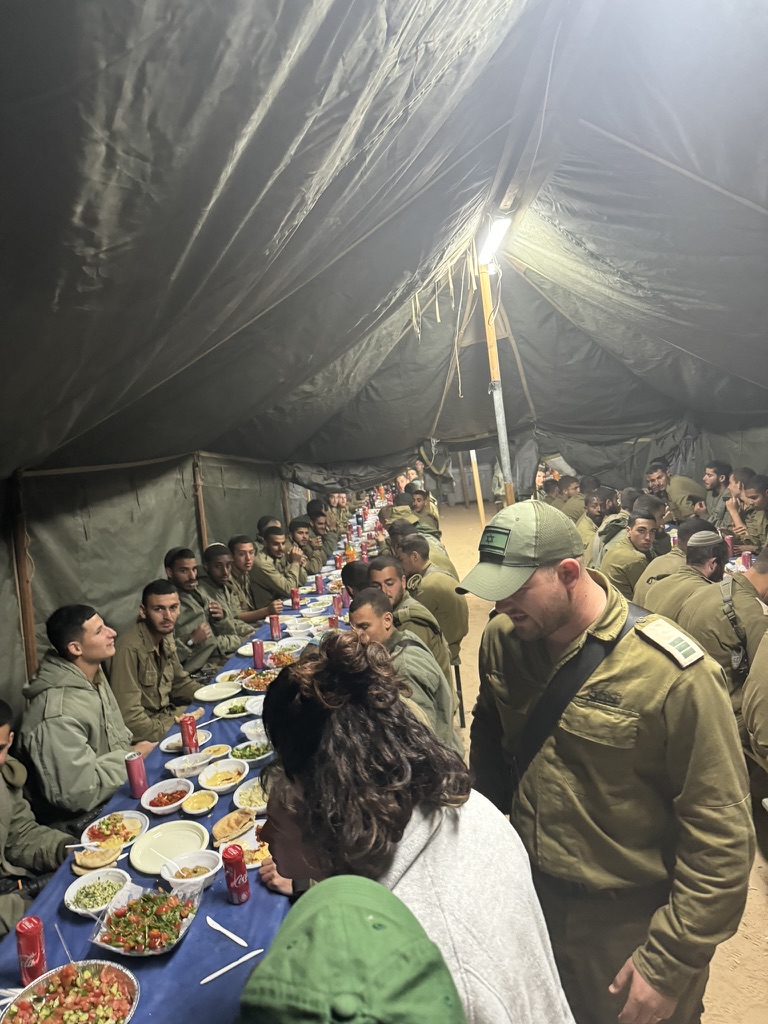
But there we were..
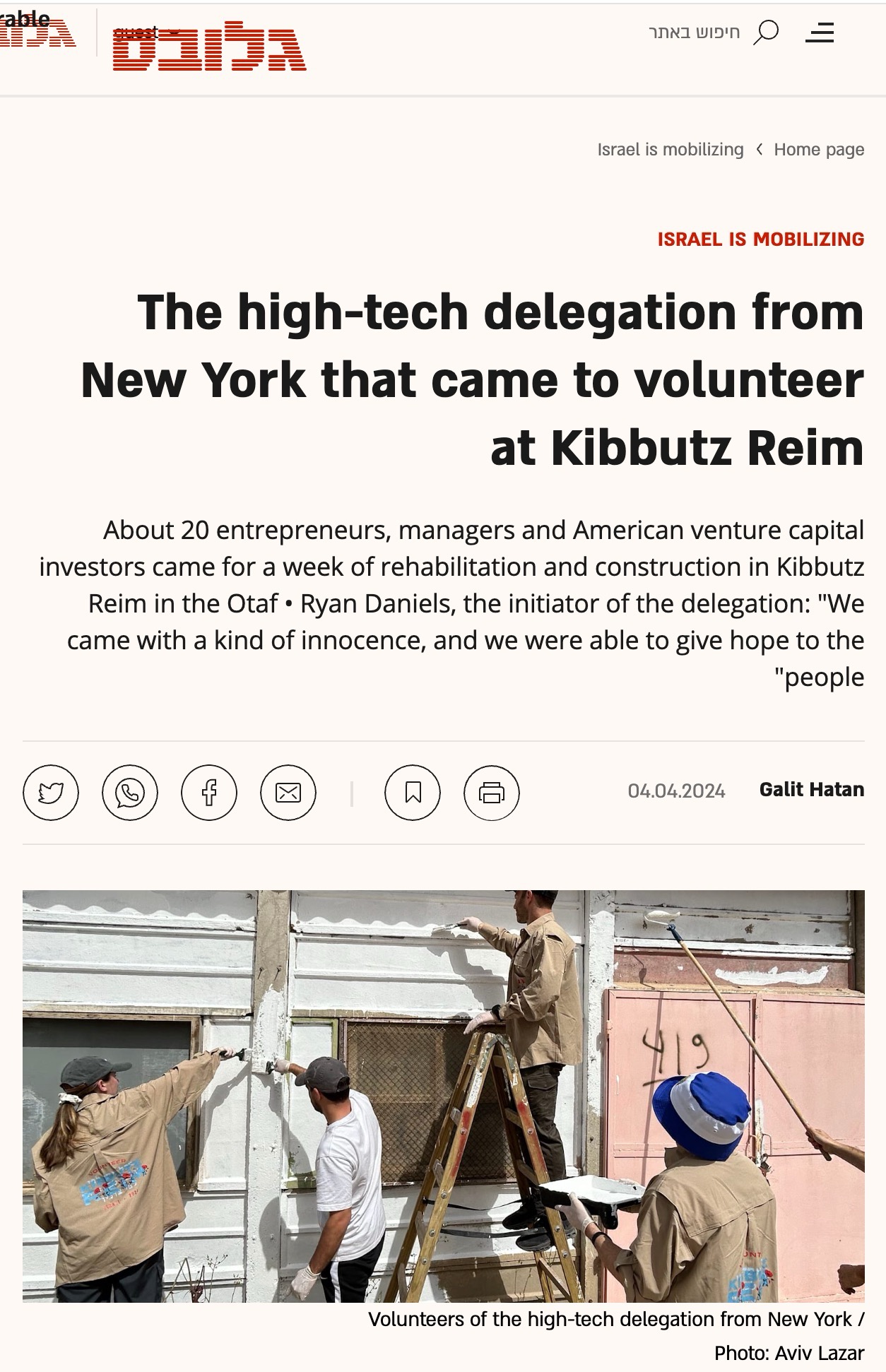
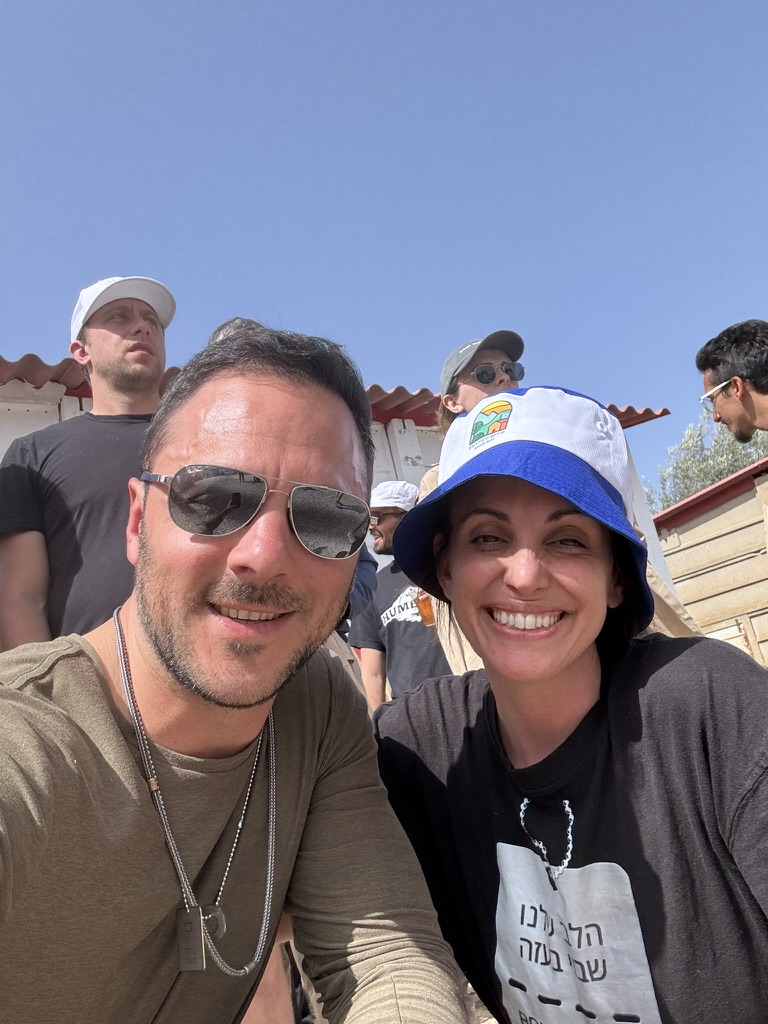
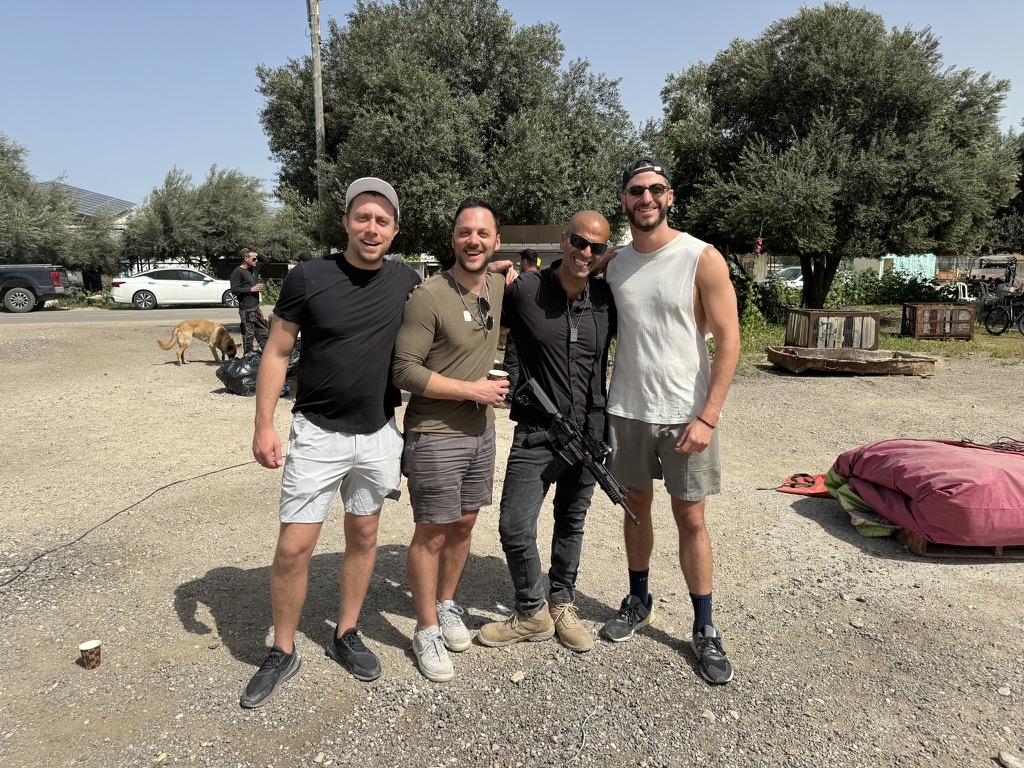
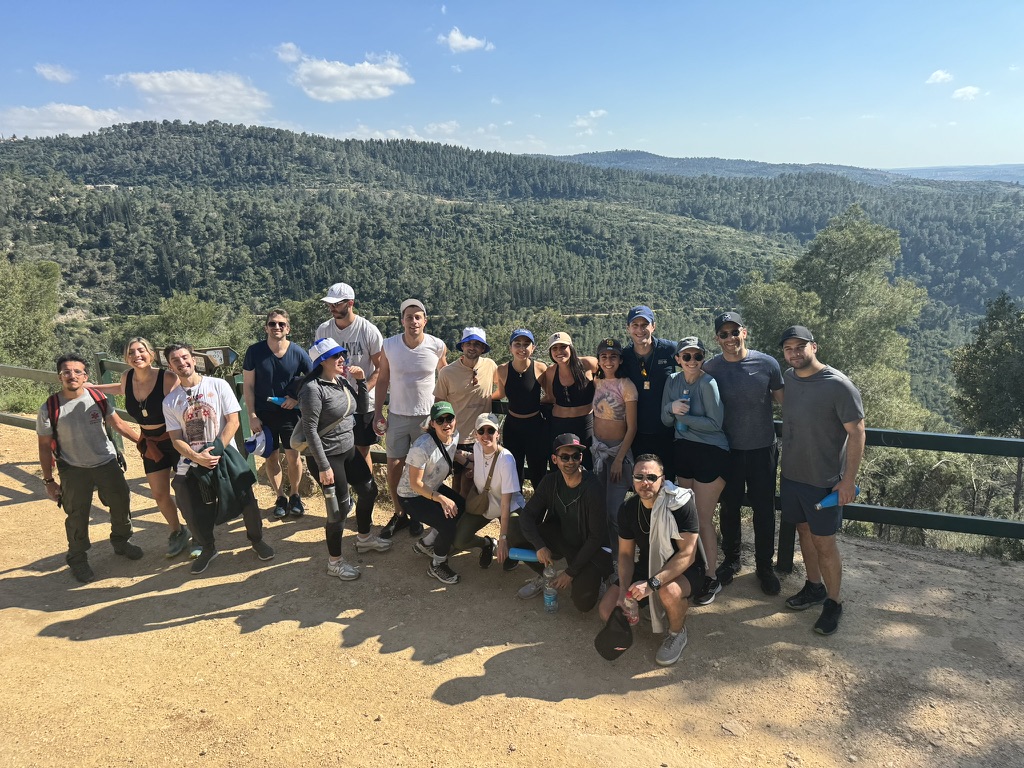
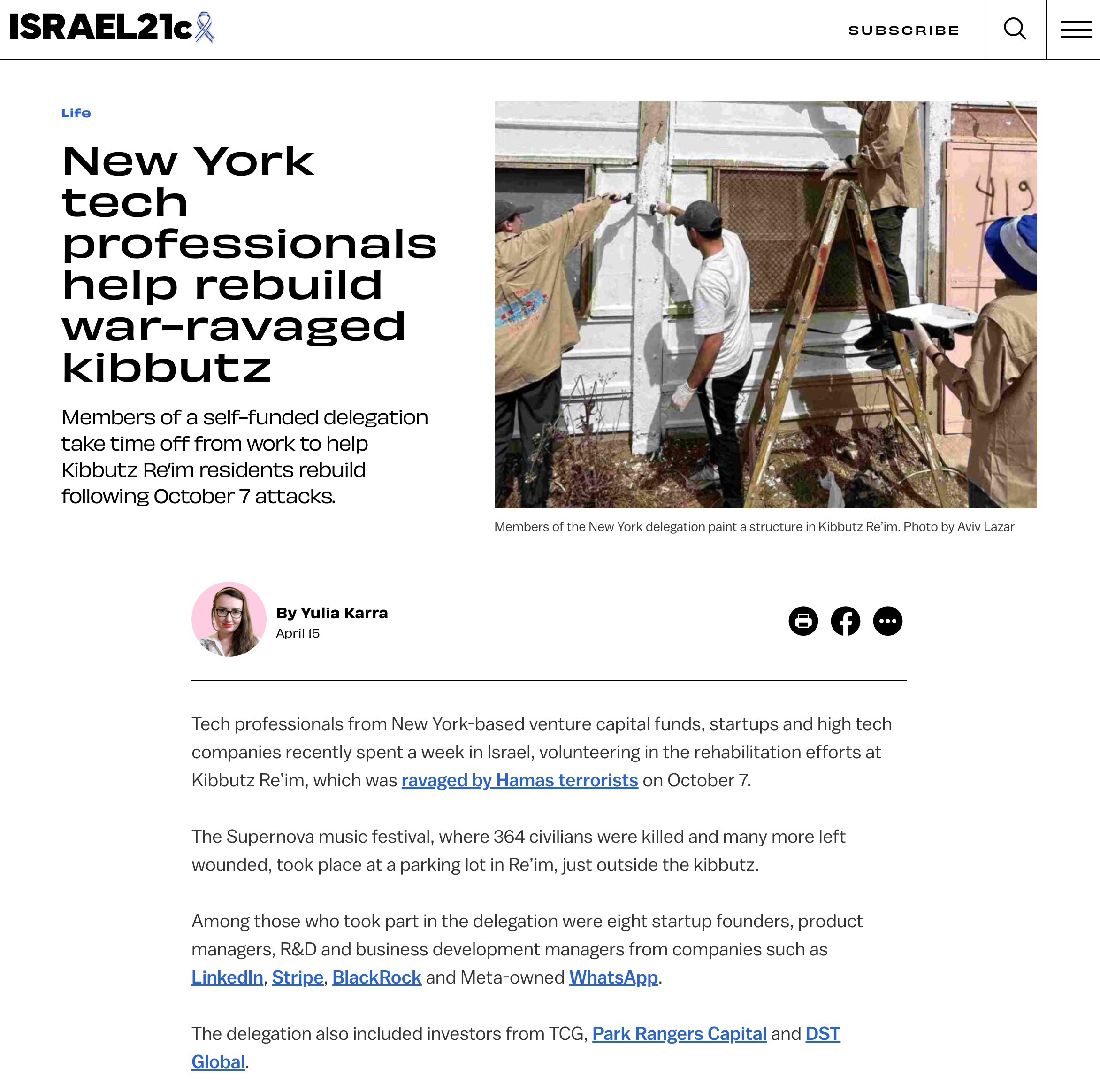
For the first time since 10/7, some people from Kibbutz Reim, one of the places closest to the border and attacked, came home to begin the new process of rebuilding.
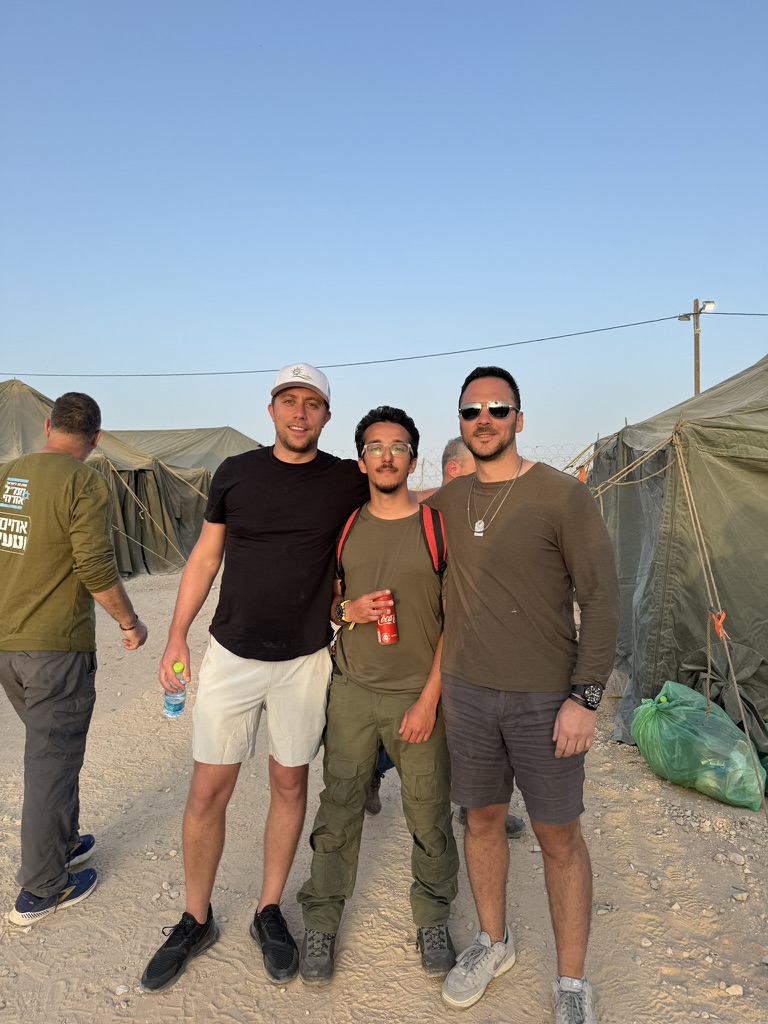
They heard about @ryanjdaniels and @avivlazar3 crazy idea to get a crew together from the US and Israel to come south and start the rebuilding effort with them.
So we went..
And others joined..
And together we did what we’ve always done and will continue to do:
Some call it “Tikkun olam”
A Jewish concept that refers to actions intended to improve and repair the world.
But for us, it was about new and old friends..
And letting them know, they are not alone.
And this antisemitic, hate-filled disease that’s emerged once again, will be destroyed and will be another chapter in our very long story.
There’s a ton of myths out there about folks who’ve started and then sold their companies, especially when it comes to what they end up doing next.
In the same vein, a lot of entrepreneurs who’ve poured their heart and soul into one big project for years suddenly find themselves lost or confused once it’s all over, wondering, “What now?”
Last year, my family and I decided to create an endowment at the University of Wisconsin with the following mission in mind:
Holocaust remembrance and education are important topics for Jewish and non-Jewish college students. Learning about the dangers of hatred and discrimination through Holocaust education is important to fighting intolerance and prejudice in today’s world. Studying the Holocaust provides opportunities to explore and inspire with stories of courage, adversity, and resilience.
Today, one out of every five kids think the Holocaust was a myth. These are the same kids tearing down American flags, tearing down posters of kidnapped children, assaulting police officers, and screaming “intifada” on the streets and in the halls of our cities and universities.
Some of these kids also believe the atrocities of 10/7 were justified or never happened.
I recently listened to Lex Friedman’s interview with Jeff Bezos. If you want to hear someone speak with incredible clarity and wisdom, listen to Jeff. There’s a reason he is the second richest person in the world.
But there was one topic that resonated with me more than anything.
Truth.
It seems like the world doesn’t care much about it these days. Just skim through social media and you’ll know what I’m talking about.
However, Jeff reminds us that “truth” is arguably the single most important factor that leads to success and prosperity.
“Yes, challenging. They [truths] can make people defensive even if that’s not the intent. But any high performing organization, whether it’s a sports team, a business, a political organization, an activist group, I don’t care what it is, any high performing organization has to have mechanisms and a culture that supports truth-telling.” – 1:29:14
The evidence is irrefutable. As of this writing, Amazon has about a 1.6 trillion dollar market cap making it the fifth richest company in the world.
If you look at the world’s most successful companies, they all have this trait.
They consistently engage in the pursuit of truth, employing critical thinking, problem-solving, and scientific methodologies in their approach.
“And so science is all about truth-telling. It’s actually a very formal mechanism for trying to tell the truth. And even in science, you find that it’s hard to tell the truth. Even you’re supposed to have a hypothesis and test it and find data and reject the hypothesis and so on, it’s not easy.” – Jeff Bezos, 1:30:10
Elon Musk also famously refers to “truths” and first principles:
As of this writing, Elon Musk is the number one richest person in the world, with companies that launch rockets into space (SpaceX), produce self-driving cars (Tesla), and let humans transmit information electronically with just their brains (Neuralink). You only do that with capable leadership and truth-seeking.
There is another place where this truth-seeking discipline has taken shape over the past few decades leading to some incredible human achievements and prosperity, including, but not limited to the development of things like:
While we're at it, here are other things they should add to the Jewish boycott list:
– Salvarsan, siphillis drug – Digitalis, heart disease drug – Novocaine, toothache drug – Insulin, blood sugar drug – Pyramidon, headache drug – Antypyrin, headache drug – Spiro, high blood… https://t.co/drxpZz9UQc
This country also ranks #7 in the world for creating the most unicorns, has more than 100 companies listed on US exchanges, with a combined market cap of more than $150 billion, and has the fourth most companies listed on the Nasdaq after the United States, Canada, and China.
And if that wasn’t enough, Israelis have among the world’s highest life expectancies and lower rates of “deaths of despair” from suicide and substance abuse. It’s also one of the few populations that are young and growing while all other wealthy democracies are aging and shrinking. According to a recent UN report, it is also the fourth happiest nation in the world behind Finland, Denmark, and Iceland.
These achievements would not have been possible without dedicated hard work and a relentless quest for truth.
But, truth is hard.
“You have just asked a million-dollar question. So if I generalize what you’re asking, you are talking in general about truth-telling and we humans are not really truth-seeking animals. We are social animals.” – Jeff Bezos, 01:28:21
This brings us to today.
War.
There is a hot war in the Middle East and an information war online.
Both sides understand the importance of truth or lack thereof.
Iran and their proxies, like Hamas, understand that “we are social animals” and so the more death, destruction, and oppression they can inflict on their people (look what Israel did to us!), the more sympathy they can create for their cause.
In short, they can prevent “truth-seeking animals” by pulling on the strings of our most animalistic tendencies and emotions, using social media megaphones we all have in our pockets. Who wouldn’t get upset when they see the photos coming out of Gaza? I know I do. It’s horrible and tragic. But that’s the point. They recognize that “truth-telling” for most people is hard, and so they prey on the ignorance and lazy thinking that many people have.
But ultimately, truth will prevail.
And the truth is this:
One side wants dead Jews.
The other side does not want to die.
And if you don’t believe this, then just look at the track records of truth.
“It’s like Uber but for paramedics and first responders. You gotta meet the founder, Eli”.
My friend Joe shared some version of this with me early last year. Shortly thereafter, I met with Eli and then my family decided to donate an ambucyle. It was an easy decision.
However, we wanted to take it a step further…
But first, quick context…When I was young, maybe six or so years old, I remember seeing these heroes on the ski mountain wearing red jackets, with white crosses, skiing around helping to save lives. I thought they were real-life superheroes. Twenty-plus years later I still try to make it to Vermont to volunteer as a member of Ski Patrol.
Back to Feb 2022…
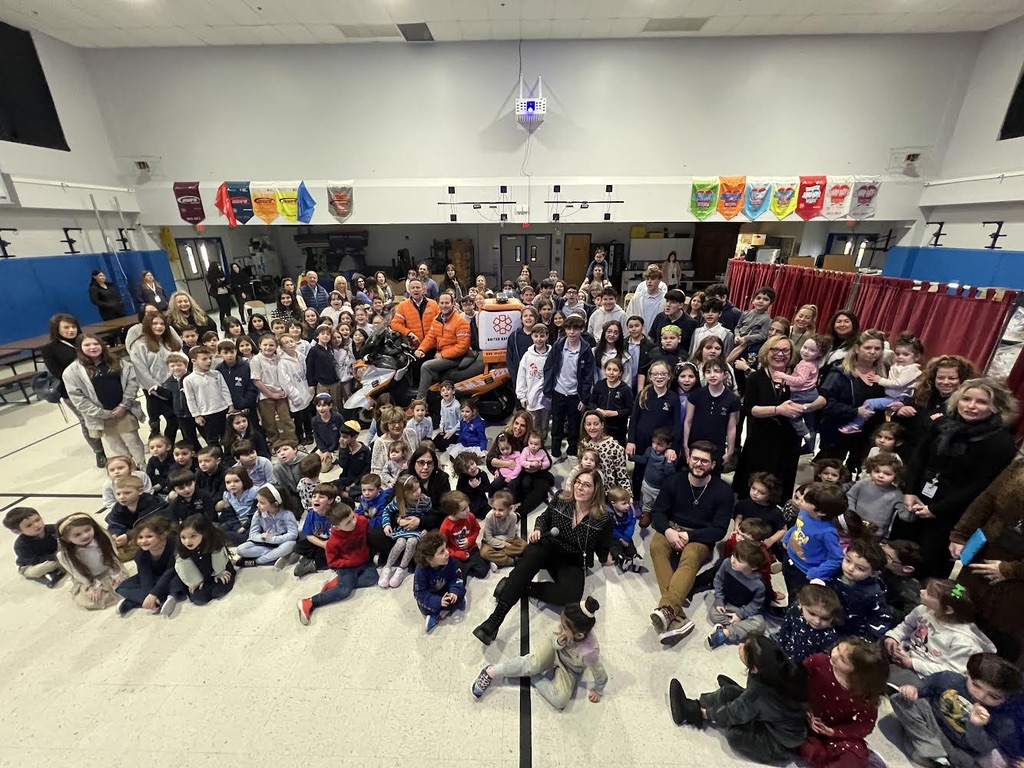
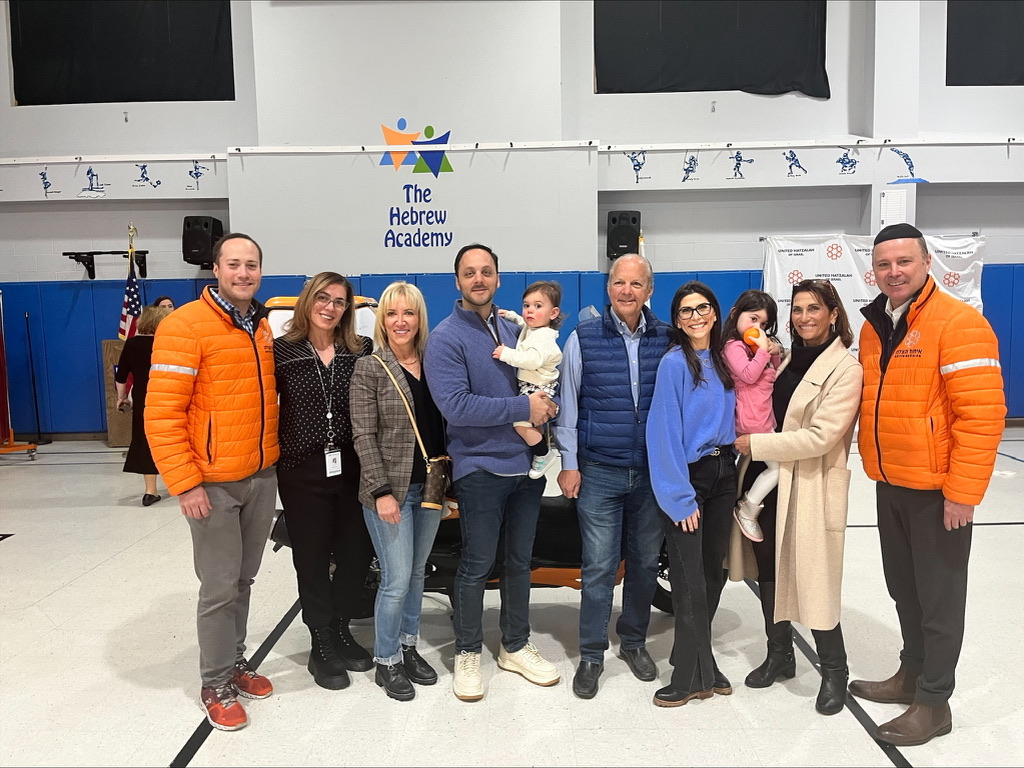
I thought maybe we could recreate that feeling for kids to inspire a sense of wonder and adventure. We asked the United Hatzalah team if we could donate the bike at a school, with all the kids there. They were of course happy to do so. Little did we know the bikes would be in the field responding to the worst atrocity against Jews since the Holocaust.
The bike reads:
“Whoever saves one life, saves the world entire.”
And that’s the point: all it takes is one act and one person to change the world.
Maybe that will be you today… stepping up, getting out of your comfort zone, and doing even just one thing that can make a small but massive impact.
The first CEO I worked for (Andy Monfried) survived a suicide bombing in Tel Aviv. When he got home he quit his company doing door-to-door paper sales to join two brothers on their startup. That company was acquired and years later Andy launched his own.
The second CEO I worked for (Michael Lazerow) was 19 years old when his heart valve stopped working. His blood pressure dropped to zero and had 3 hours to live. He did indeed survive and later that year started his first company. It would be the first of many. Most of those companies were acquired.
The Uber driver I had this morning told me a story… “I used to work as a sales rep hitting quota. I was always working for the next president’s club, over and over again, stuck on the hamster wheel.” He then told me about how he survived 9/11 and how all he wanted to do was get home to see his one-year-old son who was beginning to walk. He made it home that day. And the day after that? He quit his job and became a pasture.
Many of us coast through life stuck on a treadmill we never realized we got on in the first place. The conveyor belt of life loops around again and again, year after year, and we don’t jump off in search of better use and meaning with our time.
We hear about people who completely change their lives after being faced with a life-or-death situation. We hear and read about how they’ve found new meaning and a new calling. Or as Andy put it, how they are “playing on house money.” Yet most of us still carry on like zombies…
Most of us should be so thankful that we haven’t had to live through such a dire moment, but most of also us need a wake-up call to make the most out of this game called life.
If we look around we can find moments and stories like these that can act as a mirror and help us ask the hard question…
“What am I doing with my life?”
My Uber ride this morning was a good reminder of that. We’re all playing on house money and once you internalize this idea it’s a little bit easier to jump off the treadmill.
After recently building companies in both the B2B SaaS and CPG sectors, a common question I encounter is, “Which one do you prefer?” Both have their merits, but here are the key distinctions that have stood out to me over the past year or so:
1. Acquisition Path: Build or Buy?
When it comes to Mergers and Acquisitions (M&A), a recurrent question to potential acquires is whether to construct a new product or feature in-house or to acquire a company that already offers it. Here’s how this unfolds:
Technology & B2B SaaS: Major tech companies often possess the means and innovation drive to build new products and services in-house. An M&A prospect prompts teams internally to perform a ‘build vs. buy’ analysis, weighing the benefits and drawbacks of internal development against those of acquisition. This creates more internal debate and friction, which can impede the ability to get a deal done.
Consumer & CPG: Conversely, in the consumer space, most strategic acquirers rarely construct new brands from scratch. The challenge of distinguishing a new brand in a crowded market and the associated capital expenditure makes it a daunting endeavor, compared to allocating more capital to winning brands with existing distribution. Consequently, consumer companies have a more predictable acquisition trajectory than their tech counterparts.
2. Business Model Dynamics
CPG Companies: The business model for consumer goods is remarkably linear: design a product, package it, and sell it. Although challenges arise in marketing and pricing, the general model and contours for the business remain consistent across the board.
B2B SaaS: The business model here is multifaceted, and can often feel like a game of four-dimensional chess. I know it has for me. Founders must consider product-market fit, define target customer profiles, understand pricing dynamics, deal with platform risk, and stay on top of an ever-shifting competitive environment. This landscape is populated by well-established players, emerging and well-funded startups, and copycats, all vying for market dominance. Yes, all of these things are true in the CPG world, but I think they are much messier and elevated in the software world especially since you can, and have to, iterate on the products every day.
3. Profitability Profile: Understanding the Costs
Consumer World: The financial framework for physical products has established rules that are easily comprehensible.
Technology World: At Salesforce years ago, I would hear people talk about the beauty of SaaS because it is an annuity business. You build the software, sell it, and your gross margins are high because your marginal cost to build the product again is zero. You’re just provisioning a new account. However, what sometimes gets lost here is that software companies have to keep innovating and investing in R&D to stay ahead, which can mean more people and more expense. Not to mention adding customer success people to ensure the customers are happy and using the software correctly and successfully. Add to the fact that the most talented engineers are expensive, in terms of cash and stock-based compensation, and you quickly realize that your COGs for software development may get out of hand very quickly in order just to compete and stay ahead. We saw this happen this past few years which resulted in mass layoffs from larger tech companies.
4. Brand Awareness: Social Media’s Role
CPG Companies: The world of social media has no shortage of discussions about beloved brands and products. This kind of visibility can boost brand awareness, making it exhilarating for those involved when their products become household names.
B2B SaaS: In contrast, enterprise software seldom garners the same kind of public enthusiasm. People rarely give the same amount of love to a workplace tool or solution in the same way they’d rave about their new favorite snack, shoe, beauty product, or piece of clothing. This translates to a subtler brand awareness for B2B companies.
In summary, we’re really comparing apples and oranges here and one is not better than the other, however, these are just some of the categories that have been most top of mind for me the past year or so when asked about the differences of running a CPG companies vs a B2B Software company.